- Henna Powder Manufacturer & Exporter in India
- +91 9910415530
- online@nmpudhyog.com

Henna Aftercare Tips: How to Care for a Henna Tattoo Properly
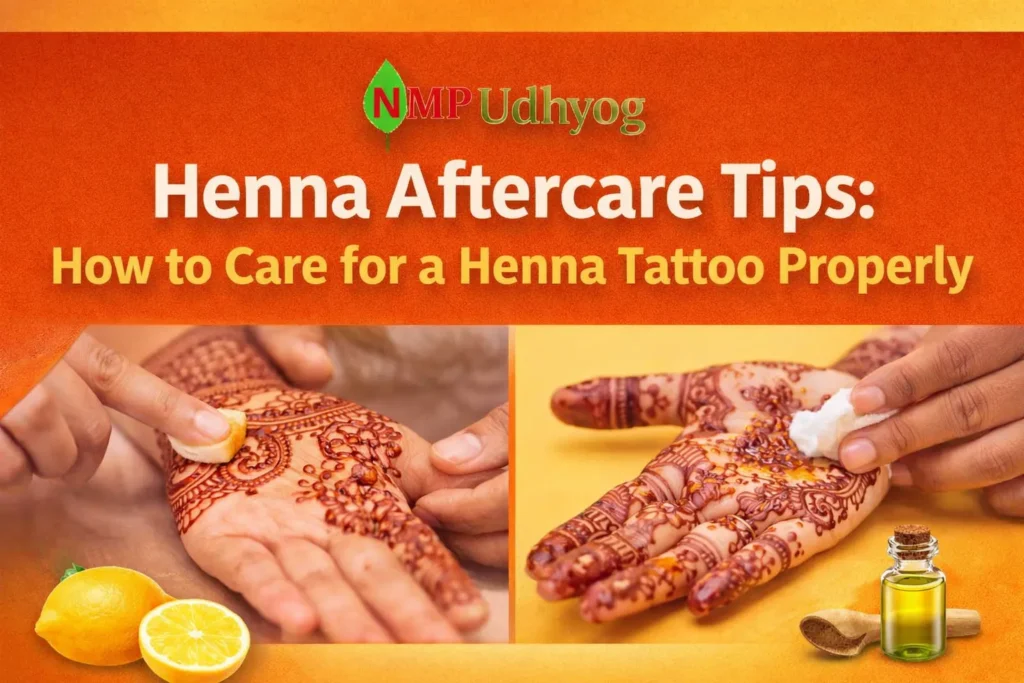
Just Got Henna? Here’s What You Should Do First
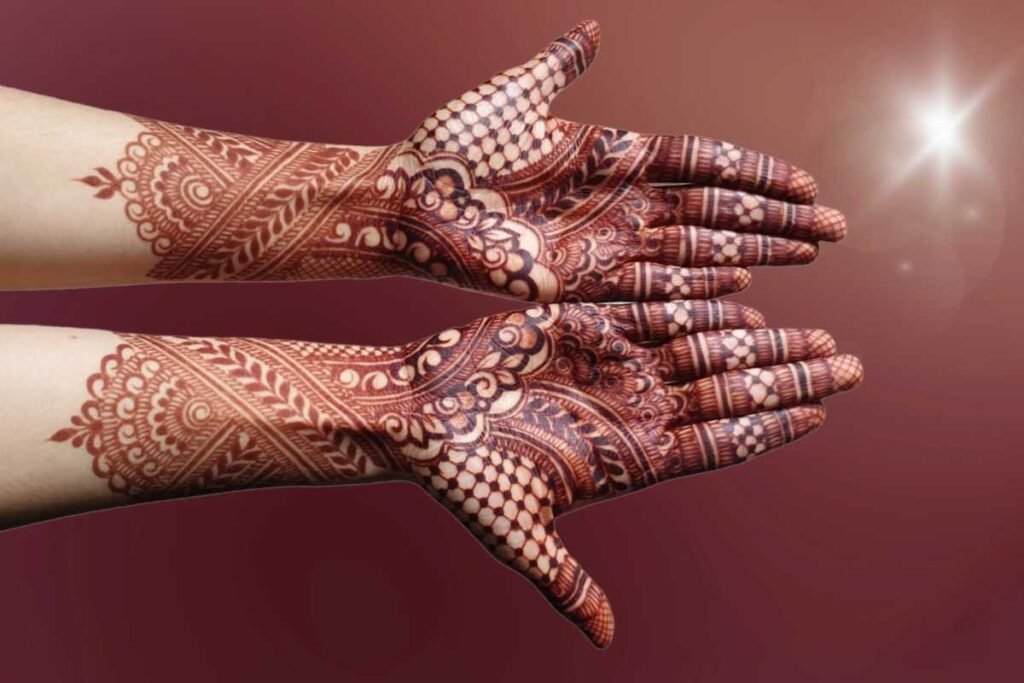
Getting a fresh henna design is exciting, but what you do in the first few hours matters the most. If you want a deep, rich stain, you need to understand how to take care of henna right from the moment it’s applied.
First things first, let the henna paste dry naturally. Don’t rush it. Avoid using a fan or dryer because quick drying can reduce the stain intensity. The slower it dries, the better the dye binds to your skin.
Once the paste starts drying, resist the urge to touch it. Smudging is one of the most common mistakes in henna tattoo care, and it can completely ruin the design. Keep your hands steady and try not to bump into anything.
After about 20–30 minutes, you’ll notice the paste tightening and cracking slightly. This is normal. At this stage, you can gently apply a lemon and sugar mixture to keep it moist and help the color develop deeper. This step is simple but powerful when it comes to proper henna aftercare.
Also, make sure you stay away from water during this period. Water is the enemy in early aftercare for henna tattoo, as it can stop the dye from fully absorbing into your skin.
If you’re serious about caring for henna tattoo the right way, your goal in these first few hours is simple: keep it intact, keep it warm, and keep it on your skin as long as possible. This is the foundation of how to make henna last and get that dark, long-lasting color everyone wants.
How to Take Care of a Henna Tattoo for Best Results
If you actually want a dark, long-lasting stain, you can’t be careless here. Most people mess up their results simply because they don’t understand how to take care of a henna tattoo properly in the first few hours.
Start with the basics. Keep the paste on your skin for at least 6–8 hours. Overnight is even better. The longer it stays, the deeper the dye penetrates. Removing it too early is one of the biggest mistakes in henna tattoo care, and it directly leads to a lighter, disappointing color.
Next, avoid water completely during this phase. Even a quick rinse can interfere with the staining process. If you’re serious about results, treat water like a threat for the first 12–24 hours. This simple step alone can make a huge difference in how rich your henna turns out.
Applying a lemon and sugar seal is another small step that pays off big. Dab it gently over the dried paste to keep it slightly moist and stuck to your skin. This helps the henna stay in contact longer, which improves the stain depth.
Also, try to keep the area warm. Heat helps activate the dye. You don’t need anything extreme, just avoid cold environments and let your body heat do its job.
Bottom line, good henna tattoo care isn’t complicated, but it does require patience. Keep the paste on, avoid water, and support the process. Do this right, and you won’t need to worry about dull or faded results later.
Henna Aftercare Tips to Make Your Henna Last Longer
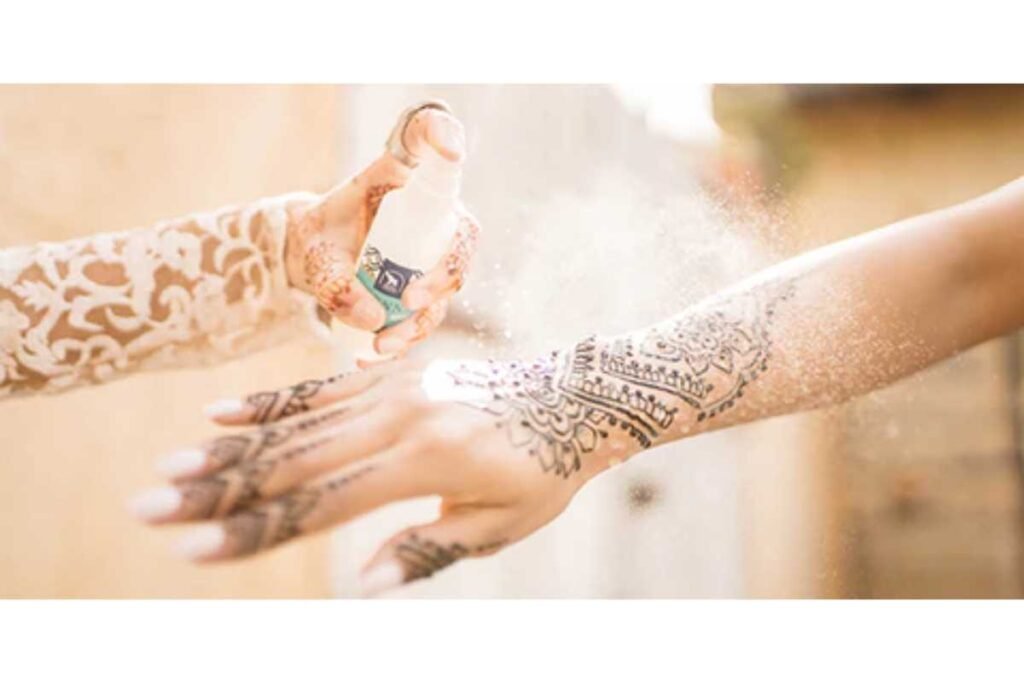
Once the paste is removed, this is where the real game begins. If you’re serious about how to make henna last, your next 24–48 hours will decide everything. Good henna aftercare is what turns a decent stain into a deep, long-lasting one.
First rule, avoid soap for at least the first 24 hours. Water alone is okay after some time, but soap can dry out the skin and fade the stain faster. If you ignore this, don’t expect your henna to stay dark for long.
Next, start applying natural oils like coconut oil or mustard oil. This creates a protective layer over your skin and helps lock in the color. It’s one of the simplest but most effective steps in proper henna aftercare. Dry skin fades faster, so keeping it nourished is non-negotiable.
Heat is your friend here too. Keeping the area warm helps deepen the stain even after the paste is gone. You don’t need anything extreme, just avoid cold water and environments that reduce body heat around the design.
Now let’s talk about something people underestimate, chlorine. Stay away from swimming pools for a few days. Chlorine is harsh and can strip away the color quickly. If you want your design to last, this is a hard no.
Also, the quality of henna you use matters more than you think. A trusted Henna Powder Exporter ensures better dye release and richer stains. For best results, always go for chemical-free options like Henna For Body Art, which are specifically made for skin application. And if you’re exploring henna beyond designs, Natural Henna for Hair is another great way to experience its benefits.
At the end of the day, how to make henna last comes down to consistency. No shortcuts, no hacks. Just follow the basics properly, and your henna will stay darker and longer than most.
Common Mistakes in Caring for Henna Tattoo
Let’s be honest, most bad henna results are not because of the artist. They happen because people mess up the basics while caring for henna tattoo. If your stain turns out light or fades too fast, chances are you made one of these mistakes.
Washing too early
This is the biggest one. The moment you expose fresh henna to water, you interrupt the dye process. Even a quick rinse can reduce how dark your stain gets. If you’re serious about results, avoid water for as long as possible after removing the paste.
Scrubbing the area
Some people try to “clean” the dried paste by rubbing or scrubbing. That’s a mistake. You should gently scrape it off, not wash or scrub it. Scrubbing damages the top layer of skin where the dye is settling, which leads to uneven and faded results.
Using harsh chemicals
Soaps, sanitizers, lotions with chemicals, all of these can break down the stain quickly. If you’re not careful, your henna will start fading within a day or two. Stick to natural oils and avoid anything harsh, especially in the first 24–48 hours.
Removing the paste too soon
Impatience kills the result. If you remove the paste in 1–2 hours, don’t expect a deep color. The longer it stays, the better the stain. This is one of the most ignored parts of caring for henna tattoo, and it makes a huge difference.
Bottom line, good henna isn’t just about applying it well. It’s about what you don’t do afterward. Avoid these mistakes, and your henna will naturally turn darker and last longer without any extra effort.
What to Avoid After Applying Henna
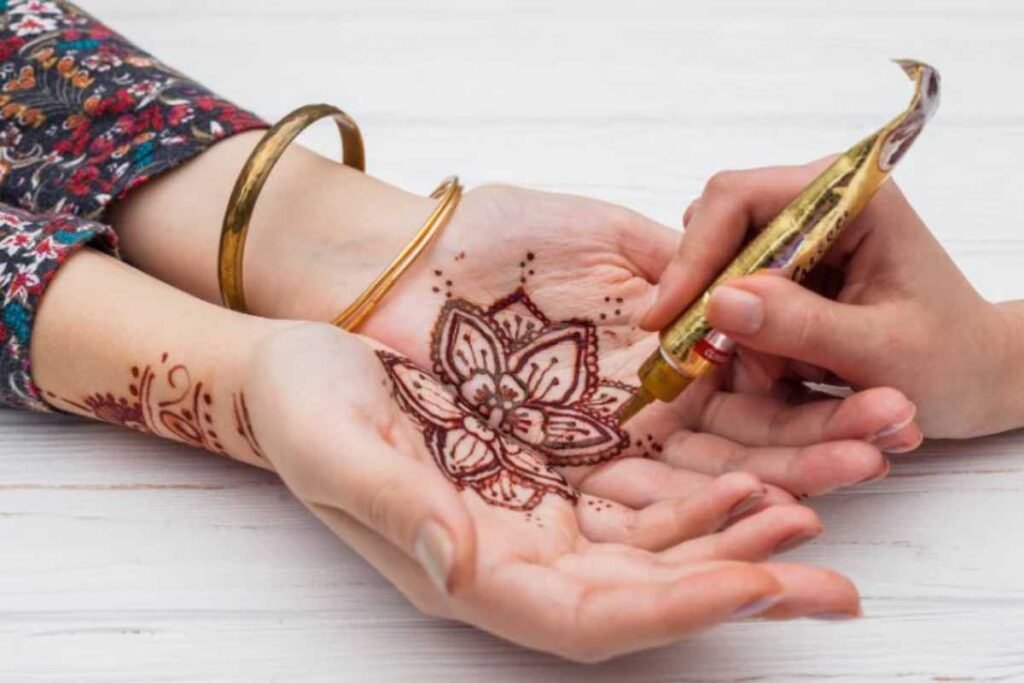
Good results aren’t just about what you do, but also what you avoid. If you ignore this part of aftercare for henna tattoo, even a perfectly applied design can fade faster than expected.
Water exposure
Right after removing the paste, your henna is still developing. Water can slow down oxidation and lighten the final color. Try to avoid washing the area for as long as possible, especially in the first 12–24 hours.
Sweating excessively
Too much sweat can break down the stain and cause patchy results. If possible, avoid workouts, heat exposure, or activities that make you sweat heavily right after applying henna.
Tight clothing over the design
Friction is another silent killer. Tight sleeves, socks, or any clothing rubbing against the design can smudge or fade it. Keep the area as free and untouched as possible.
Chemical lotions and products
Lotions, perfumes, and sanitizers with chemicals can react with the stain and make it fade quicker. During proper aftercare for henna tattoo, stick to natural oils instead of chemical-based products.
At the end of the day, henna needs a little patience and protection. Avoid these common triggers, and your stain will naturally come out darker and last longer without much effort.
Natural Ways to Darken Your Henna Stain
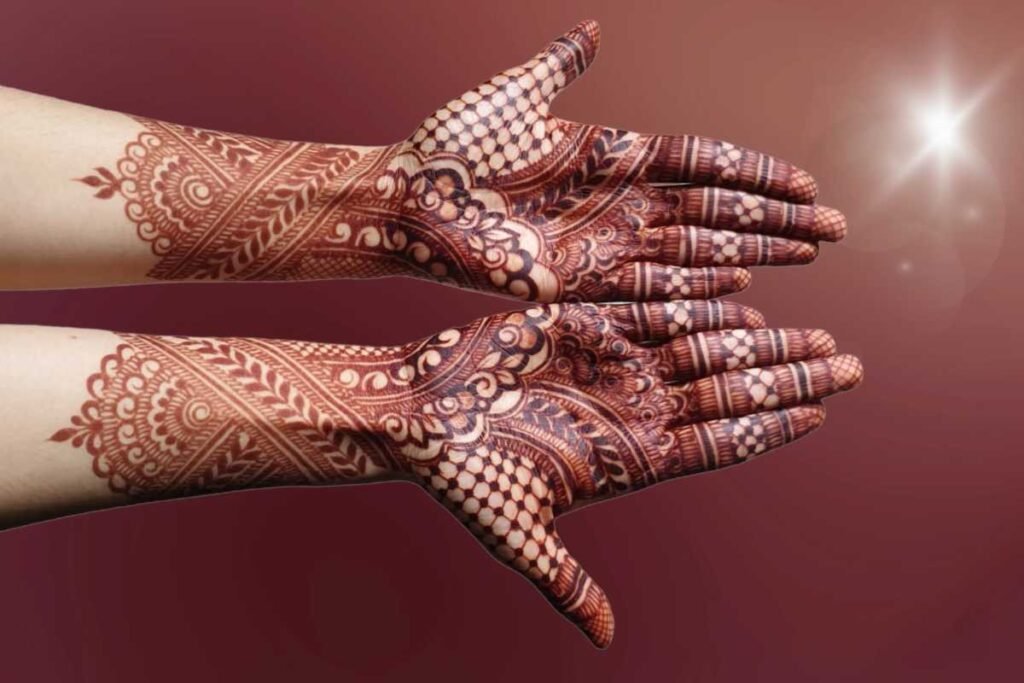
If you want that deep, rich color, you need to go beyond basic steps. Smart care for henna tattoo includes using simple natural methods that actually boost the stain instead of just hoping for the best.
Clove steam
This is one of the oldest and most effective tricks. Lightly heat cloves and let your hands absorb the warm steam. The heat helps activate the dye and darkens the stain. Just don’t overdo it, too much heat can irritate the skin.
Lemon and sugar dab
A light dab of lemon and sugar keeps the paste sticky and in place for longer. This allows better dye absorption. It’s a small step, but it plays a big role in proper care for henna tattoo and improving the final color.
Essential oils
Oils like eucalyptus or tea tree are known to enhance henna staining. Apply a small amount after removing the paste. These oils help deepen the tone and give a richer finish, but don’t go overboard, a little is enough.
Heat exposure
Henna develops best in warmth. Keeping your hands warm naturally helps the stain darken over time. Avoid cold water and cold environments, especially in the first 24 hours.
At the end of the day, darker henna isn’t luck. It’s about doing the basics right and adding these natural steps into your routine. Good care for henna tattoo will always give you better, longer-lasting results without relying on anything artificial.
How Long Does Henna Last & What to Expect
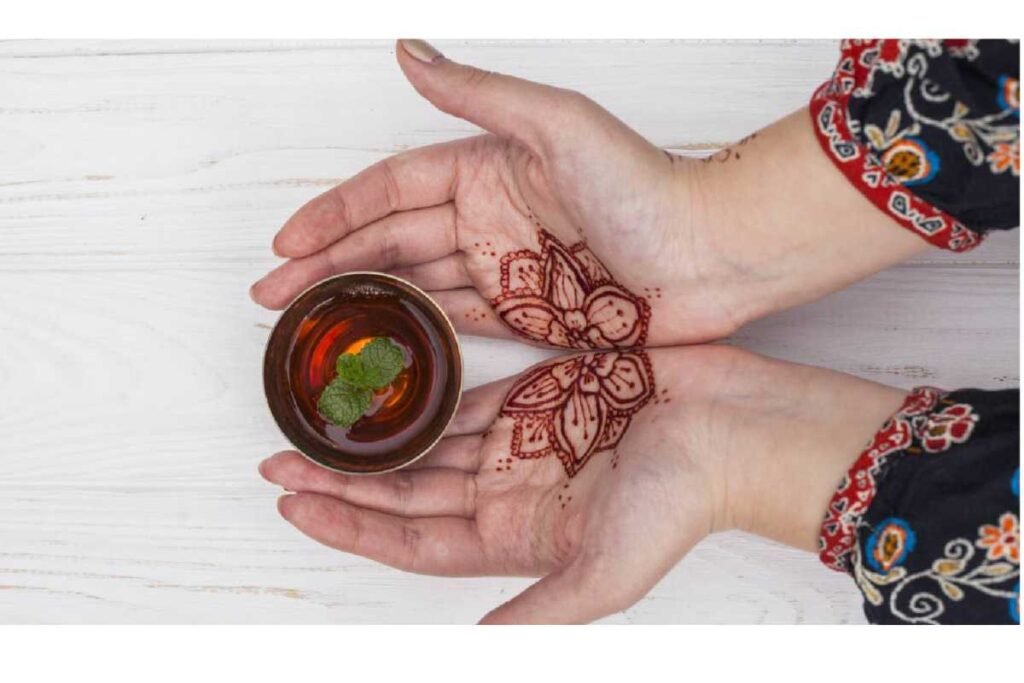
A lot of people expect instant dark color right after removing the paste, and that’s where they get it wrong. Henna doesn’t work like that. Understanding the timeline helps you stay patient and avoid unnecessary panic.
Timeline: light → dark → fade
Right after you remove the paste, the stain will look light orange. Don’t judge it yet. Over the next 24–48 hours, it gradually darkens into a deep brown. This is the peak stage. After that, it slowly starts fading over the next 1–2 weeks depending on your aftercare.
Body area differences
Not all areas of your body stain the same. Palms and soles usually give the darkest results because the skin is thicker. On the other hand, arms, legs, and back tend to produce lighter stains. So if your hand henna looks darker than your arm, that’s completely normal.
Skin type impact
Your skin type also plays a role. Oily skin may not hold the stain as well as dry skin. Similarly, frequent sweating or washing can make the henna fade faster. This is why proper aftercare and avoiding early mistakes matter so much.
In simple terms, henna is a process, not an instant result. If you understand the stages and take care of it properly, you’ll get a richer color and longer-lasting design without overthinking it.
How Long Does Henna Last & What to Expect
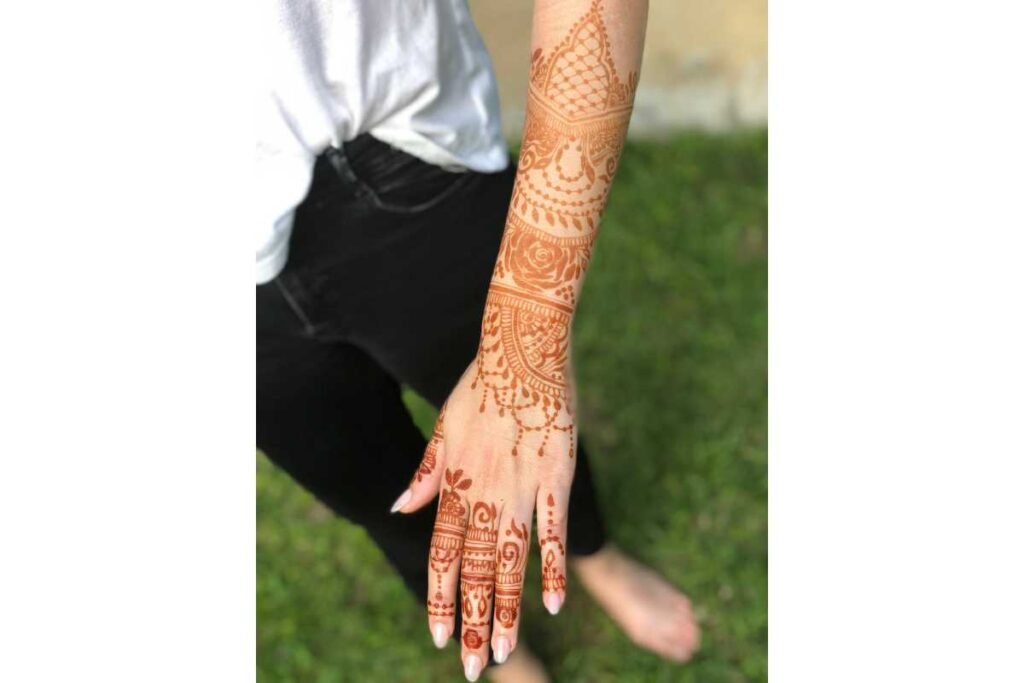
If you’re expecting instant dark results right after removing the paste, you’re setting yourself up for disappointment. Henna develops over time, and understanding this is key if you care about results.
Timeline: light → dark → fade
Right after removing the paste, the stain will appear light orange. This is normal. Over the next 24–48 hours, it oxidizes and turns into a deeper brown. That’s when your henna looks its best. After reaching its peak, it gradually starts fading over the next 7–14 days depending on your aftercare.
Body area differences
Not all parts of your body react the same. Palms and soles usually give the darkest stain because the skin is thicker and absorbs more dye. Areas like arms or legs tend to be lighter. So don’t compare different body parts and assume something went wrong.
Skin type impact
Your skin type plays a bigger role than most people think. Dry skin tends to hold the stain longer, while oily skin can lead to faster fading. Frequent washing, sweating, or friction will also reduce how long the henna lasts.
Also, the quality and type of henna you use matters. If you’re applying designs using proper Henna For Body Art, you’ll naturally get better staining results compared to low-quality or chemical-based products.
Bottom line, henna is not instant. It’s a process. Give it time, follow the right steps, and you’ll get a darker, longer-lasting stain without overthinking every stage.
FAQ Section
Q1. How to take care of henna after application?
Right after application, let the paste dry naturally and keep it on for as long as possible. Avoid water, don’t touch or smudge the design, and follow proper henna aftercare like using lemon-sugar and keeping the area warm.
Q2. How long should henna stay on skin?
Ideally, keep it for at least 6–8 hours. Overnight is even better. The longer the paste stays, the deeper the stain, which is a key part of good henna tattoo care.
Q3. What makes henna darker and last longer?
Heat, time, and proper aftercare. Keeping the paste longer, avoiding water early, and applying natural oils all help. If you’re wondering how to make henna last, consistency in aftercare is what actually works.
Q4. Can I wash my hands after henna?
Not immediately. Avoid water for as long as possible after removing the paste. When you do wash, skip soap for the first 24 hours to protect the stain. This is an important step in aftercare for henna tattoo.
Q5. How to maintain henna tattoo color?
Keep your skin moisturized with natural oils, avoid harsh chemicals, reduce friction, and stay away from chlorine. Proper care for henna tattoo will help the color stay darker and last longer without fading too quickly.