- Henna Powder Manufacturer & Exporter in India
- +91 9910415530
- online@nmpudhyog.com

What is Henna? Origin, History, Meaning & Uses Explained
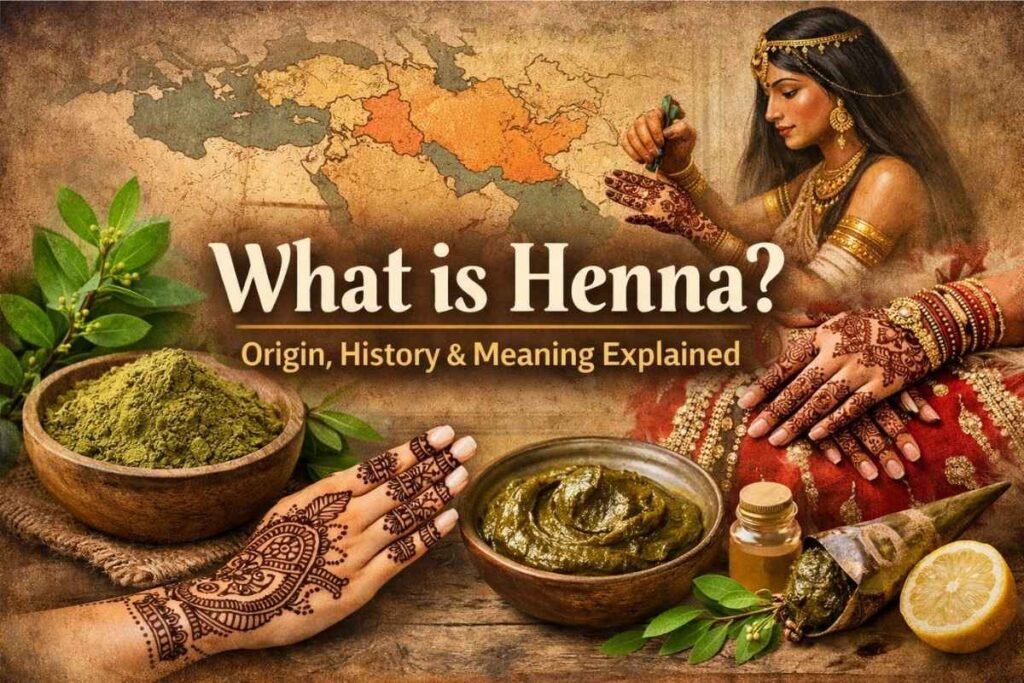
What is Henna? A Simple Explanation
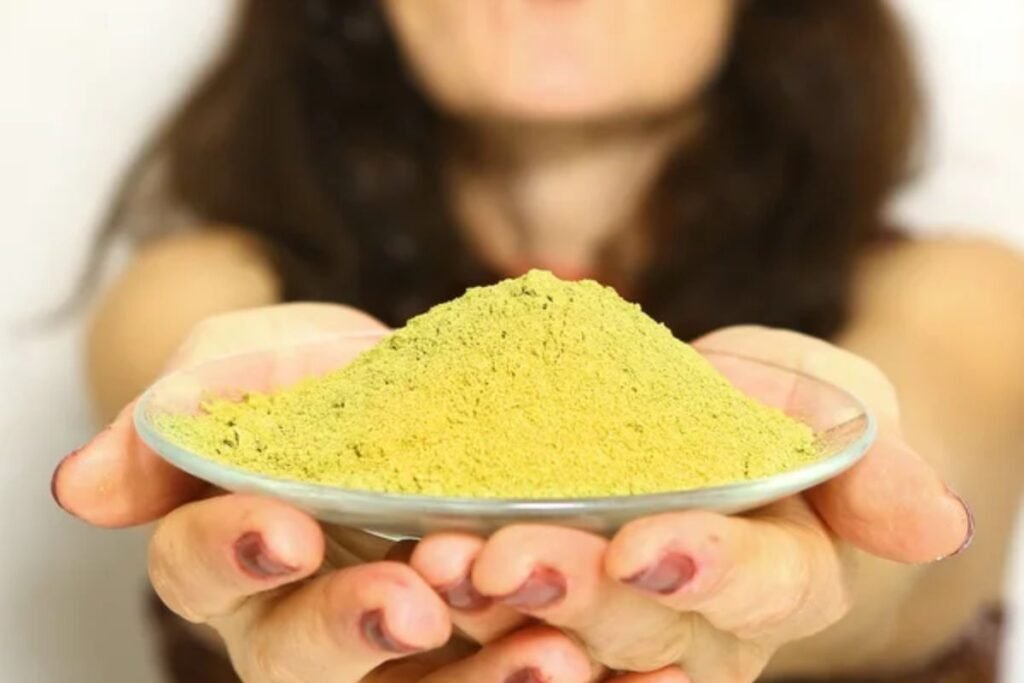
If you strip away all the hype, what is henna really? It’s a natural dye made from the leaves of the Lawsonia inermis plant. These leaves are dried, crushed into a fine powder, and then mixed into a paste that stains the skin, hair, or even fabrics.
When people ask whats henna, they usually think of those intricate designs on hands during weddings or festivals. That’s correct, but that’s just one use. Henna has been used for centuries not just for body art, but also for coloring hair and even for its cooling and soothing properties.
The henna meaning goes beyond just a cosmetic product. In many cultures, it represents celebration, beauty, and positive energy. But at its core, henna is simple. It’s a plant-based, chemical-free dye that leaves a temporary stain on the skin.
What makes henna stand out is that it doesn’t sit on top of the skin like paint. It reacts with the top layer of your skin and develops a stain that deepens over time. That’s why the color starts light and gradually turns darker.
So if you’re looking for a straightforward answer, henna is a natural, temporary dye used for body art, hair coloring, and traditional rituals. No confusion, no complexity, just a plant doing its job.
Where Does Henna Come From?
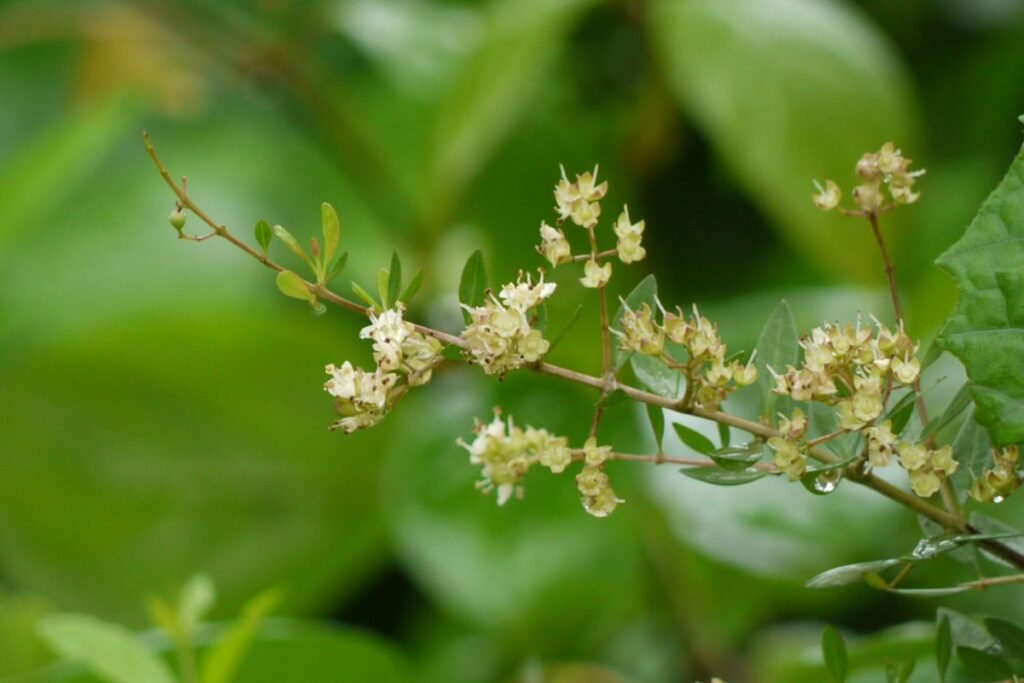
If you’ve ever wondered where does henna come from, the answer is pretty straightforward. Henna comes from a plant called Lawsonia inermis, which grows best in hot, dry climates.
So, where is henna from originally? It has strong roots in regions like India, the Middle East, and North Africa. These areas have the perfect weather conditions for the plant to grow and produce high-quality dye. Even today, countries like India are among the largest producers of henna used worldwide.
When people ask where does henna originate from, they’re usually referring to its historical and geographical beginnings. The truth is, henna has been used across multiple regions for thousands of years, but its earliest known use traces back to ancient Egypt and surrounding regions, before spreading to South Asia and beyond.
The process itself is simple. The leaves of the henna plant are harvested, dried, and ground into a fine powder. This powder is what’s later mixed into a paste for application.
So in simple terms, henna isn’t some synthetic product or modern invention. It’s a natural plant-based dye that comes from warm regions of the world where it has been grown, used, and passed down through generations.
Henna Origin and How It Spread Worldwide
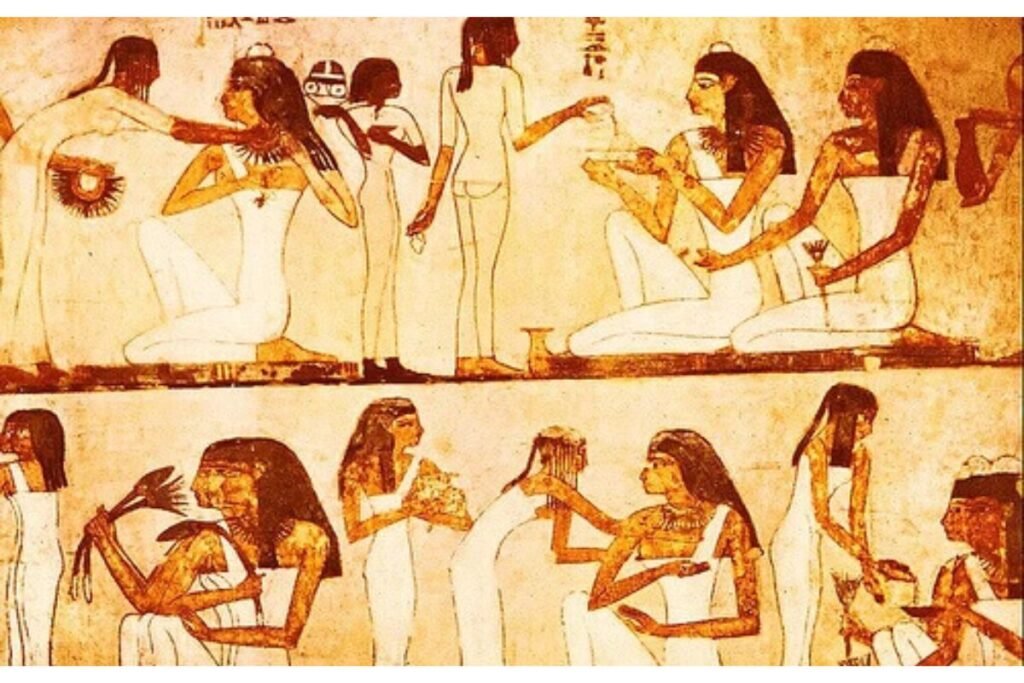
The henna origin goes back thousands of years, long before it became a global beauty trend. While it’s difficult to pin it down to one exact place, historical evidence shows that henna was widely used in ancient Egypt, North Africa, and parts of the Middle East.
So when we talk about where henna originated, we’re really looking at a region rather than a single country. Early civilizations used henna for body decoration, hair coloring, and even for cooling the body in extreme heat.
What made henna spread across the world wasn’t luck, it was trade. Ancient trade routes, especially those connecting Africa, the Middle East, and South Asia, played a huge role. As merchants traveled, they carried henna powder along with spices, textiles, and other goods. This is how henna reached India, where it became deeply rooted in cultural and wedding traditions.
Over time, different regions adapted henna in their own way. In India, it became an essential part of bridal rituals. In Arabic cultures, it evolved into bold, flowing patterns. In Africa, it carried both decorative and symbolic meanings.
This cultural adoption is why henna looks different depending on where you go, but the base remains the same. A natural plant dye with a long history that crossed borders through trade, tradition, and generations of use.
So the story of henna origin isn’t just about where it started, it’s about how it traveled, adapted, and became a part of cultures around the world.
History of Henna: From Ancient Times to Today
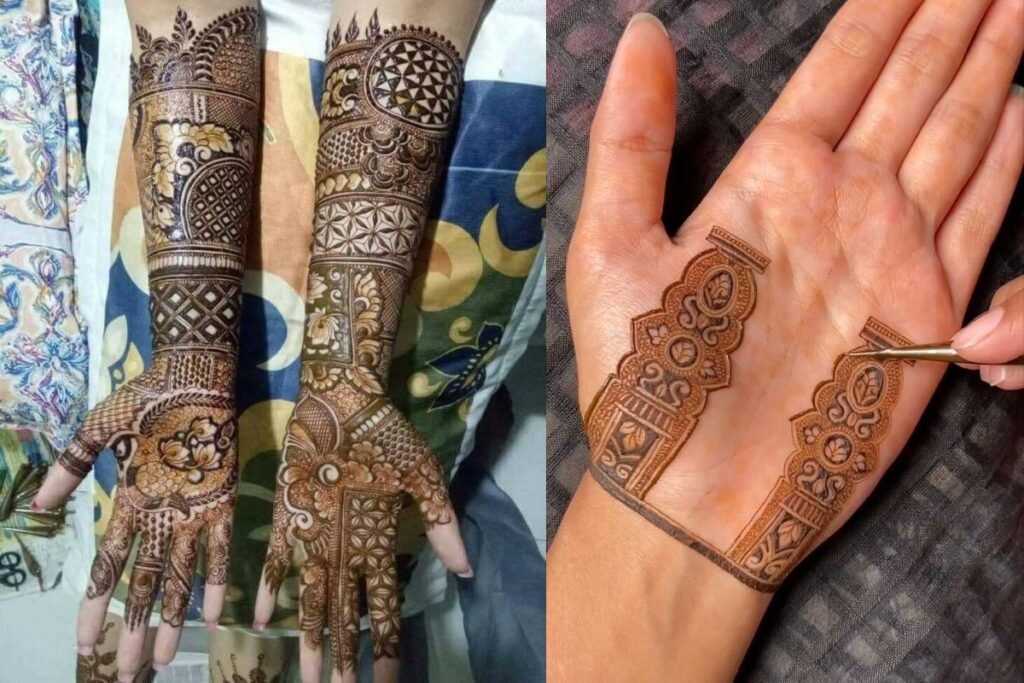
The history of henna goes back thousands of years, and it’s not just a trend that showed up recently. It has been used across civilizations for beauty, rituals, and even practical purposes.
Ancient Egypt
One of the earliest records of henna history comes from ancient Egypt. It’s believed that people, including figures like Cleopatra, used henna to decorate their hands and feet and even dye their hair. Henna was also used in mummification rituals, which shows how deeply it was valued beyond just appearance.
Mughal Era in India
Henna became even more refined and culturally significant during the Mughal period in India. This is where intricate mehndi designs started gaining popularity. Royal families used detailed patterns as a symbol of beauty and status, and over time, it became a major part of Indian weddings and celebrations. This phase played a big role in shaping what we now recognize as traditional mehndi art.
Modern Usage
Today, henna has gone global. From traditional weddings to modern body art, its use has expanded far beyond cultural boundaries. While many still follow traditional practices, others use henna as a fashion statement or a natural alternative for hair coloring.
What’s interesting is that despite all the changes, the core remains the same. The history henna reflects a consistent use of a natural plant dye that has adapted with time but never lost its original essence.
So whether it’s ancient rituals or modern designs, the journey of henna shows how something simple can stay relevant across centuries.
What Are Henna Ingredients?
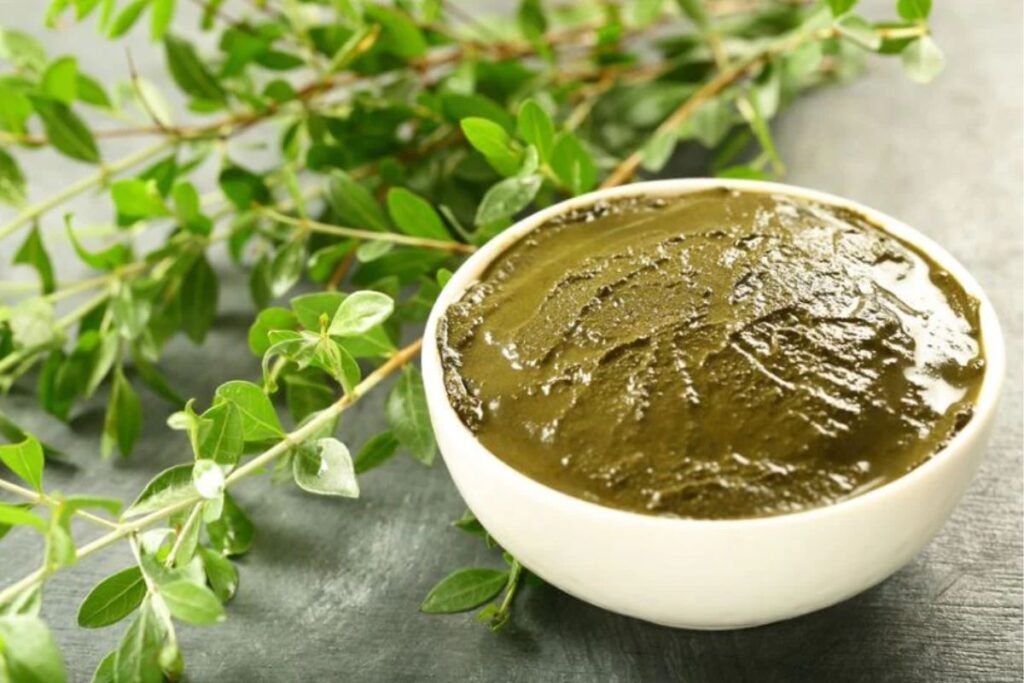
If you’re serious about quality, you need to understand henna ingredients. Good henna is simple. No mystery, no chemicals, just a few natural components that actually work.
Natural henna powder
The base of everything is pure henna powder made from dried leaves of the henna plant. This is what gives the stain. If the powder isn’t fresh or is mixed with fillers, your results will suffer. Simple as that.
Lemon juice and essential oils
To activate the dye, henna powder is mixed with a mildly acidic liquid like lemon juice. This helps release the color. Essential oils such as eucalyptus or tea tree are often added to improve stain depth and consistency. These are standard, safe additions when used properly.
No chemicals vs black henna warning
Here’s where people get it wrong. Real henna is always natural and gives a brown to reddish stain. If you see something called “black henna,” be careful. It often contains chemicals like PPD (para-phenylenediamine), which can cause serious skin reactions.
If you’re focused on safe and effective results, stick to clean, natural henna ingredients. No shortcuts, no artificial additives. That’s how you get a rich stain without risking your skin.
Henna Meaning and Cultural Significance
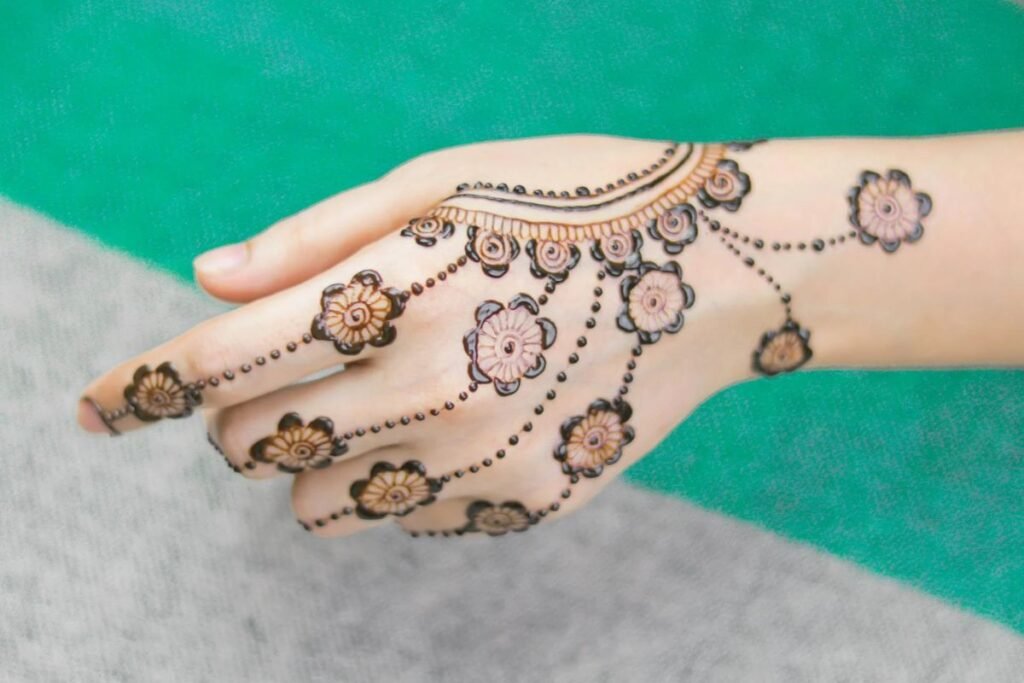
The henna meaning goes far beyond decoration. In many cultures, it’s tied to emotions, traditions, and important life moments, especially weddings and festivals.
In weddings, henna is more than just a design on the hands. It’s a symbol of joy, love, and new beginnings. Bridal mehndi ceremonies are celebrated with music, family, and rituals, making henna a central part of the experience. The darker the stain, people often associate it with deeper love and stronger bonds, whether or not that belief is scientifically true.
During festivals like Eid, Karva Chauth, and Diwali, applying henna is seen as a way to celebrate happiness and togetherness. It’s not just about looking good, it’s about participating in tradition and expressing positivity.
The deeper henna meaning also connects with ideas of luck and protection. Many cultures believe henna brings good fortune and keeps negative energy away. That’s why it’s often applied during major life events, not casually.
So while it may look like simple body art from the outside, henna carries layers of cultural value. It represents beauty, celebration, and a connection to tradition that has been passed down for generations.
Henna Spiritual Meaning Across Cultures
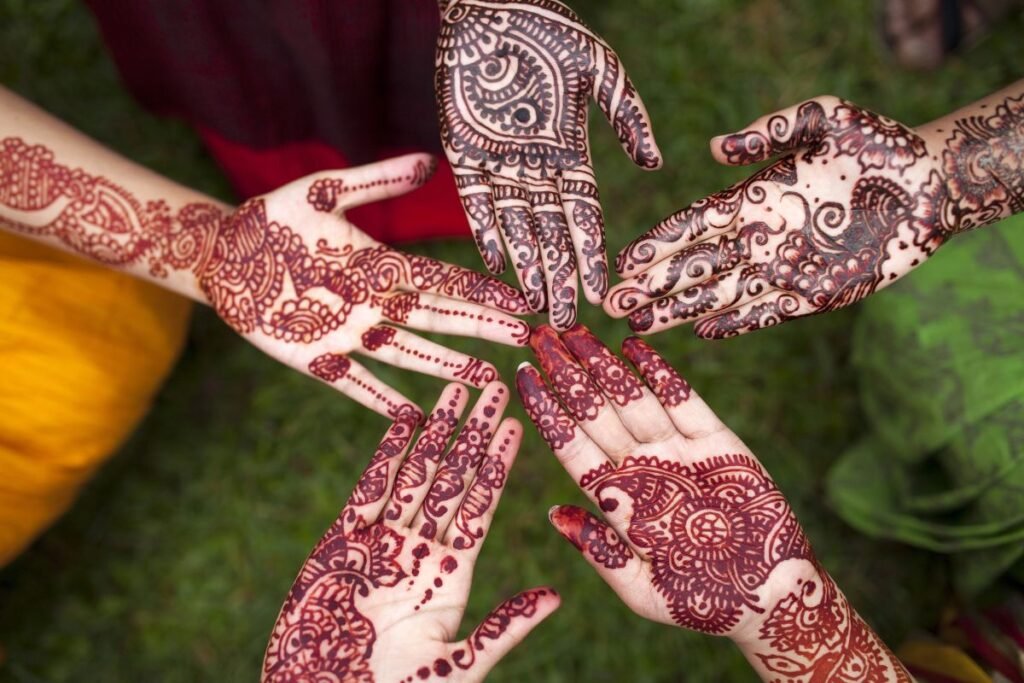
The henna spiritual meaning isn’t just a belief, it’s something deeply rooted in traditions across different cultures. For centuries, henna has been used not only for beauty but also for protection, blessings, and positive energy.
In many regions, applying henna is seen as a way to attract good luck and keep away negative influences. That’s why it’s commonly used during important life events like weddings, childbirth, and festivals. The idea is simple, you’re not just decorating the body, you’re inviting positivity into your life.
In Indian traditions, henna is linked with prosperity and emotional well-being. Brides apply mehndi as a symbol of love, harmony, and a strong start to married life. In Middle Eastern cultures, henna is often used during celebrations to mark happiness and protection. African traditions also use henna in ceremonial ways, sometimes with deeper symbolic patterns representing strength and identity.
What’s interesting is that while the designs and styles may vary, the core belief stays consistent. Henna is seen as something that connects the physical and the spiritual, offering both beauty and meaning at the same time.
So when people talk about henna spiritual meaning, it’s not just tradition for the sake of it. It’s a practice built on generations of belief in protection, blessings, and positive energy that still continues today.
Why Henna is Still Popular Today
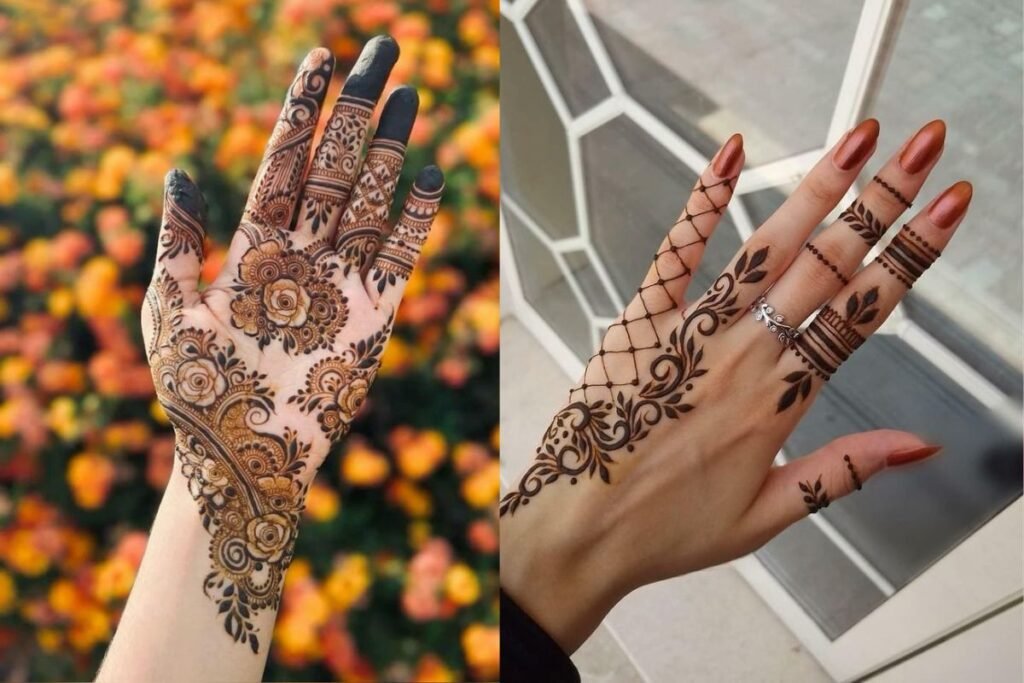
Henna has been around for centuries, yet it hasn’t faded out. In fact, it’s more popular than ever. The reason is simple. It fits perfectly into what people want today, natural, safe, and meaningful.
Natural alternative
With more people avoiding chemicals, henna stands out as a reliable option. Whether it’s for body art or hair coloring, it offers a plant-based solution without harsh side effects. This alone keeps it relevant in a market full of synthetic products.
Fashion + tradition mix
Henna isn’t limited to cultural events anymore. It has evolved into a style statement. From minimal modern designs to detailed bridal patterns, it blends tradition with current trends. People use it both for personal expression and cultural connection, which keeps it versatile.
Safe beauty trend
Temporary, non-invasive, and generally safe when used in its pure form, henna checks all the boxes for a modern beauty choice. Unlike permanent tattoos or chemical dyes, it fades naturally, giving people flexibility without long-term commitment.
At the end of the day, henna hasn’t survived this long by accident. It adapts without losing its roots. That’s exactly why it continues to stay relevant across generations and cultures.