- online@nmpudhyog.com
- +91 9910415530
- Henna Powder Manufacturer & Exporter in India

Is It Safe to Color Your Hair with Henna During Pregnancy?
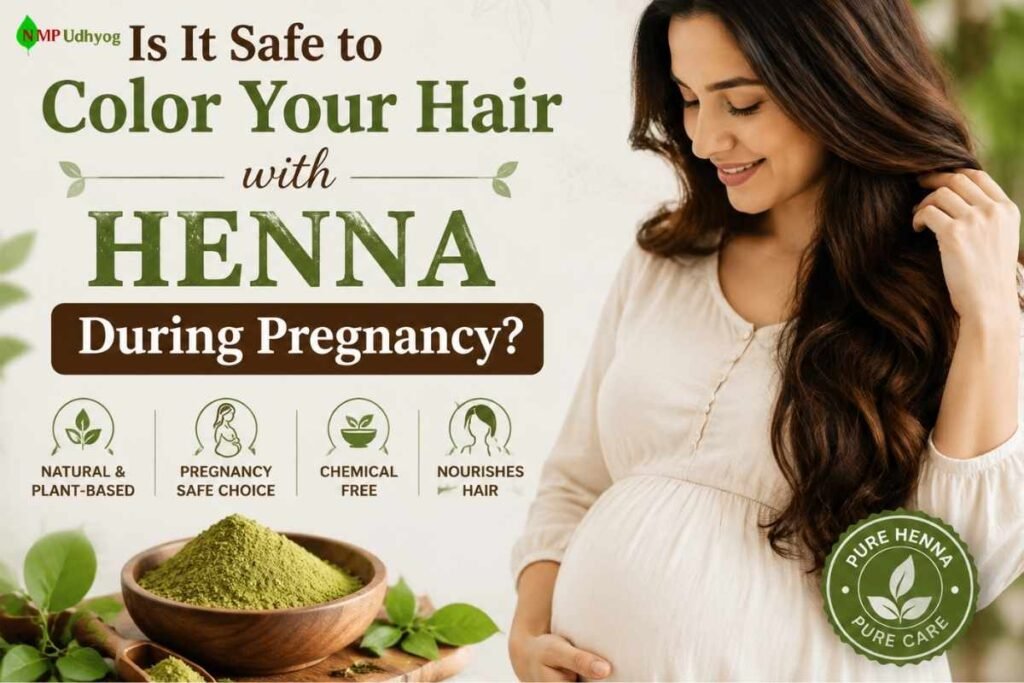
Pregnancy brings many changes, and it is natural to become more careful about every product you use. One common question many expecting mothers ask is whether it is safe to color their hair during pregnancy. While chemical hair dyes often raise concerns because of ingredients like ammonia and peroxide, many women look for henna as a natural alternative. But is henna really safe during pregnancy?
The good news is that pure, natural henna is generally considered a safer option for coloring hair during pregnancy. However, not every product sold as henna is the same. Understanding the difference between pure henna and chemically mixed products is essential before applying it to your hair.
In this guide, we explain what research says, the benefits of using natural henna, possible precautions, and how to choose the right product while expecting.
What Is Henna?
Henna is a natural plant-based powder made from the dried leaves of the Lawsonia inermis plant. It has been used for centuries to naturally color hair, decorate skin, and condition hair without relying on harsh chemicals.
Unlike conventional hair dyes, pure henna coats the hair shaft instead of penetrating it with synthetic chemicals. This makes it a preferred choice for people looking for a more natural hair coloring option.
If you are purchasing from a trusted Henna Powder Exporter, make sure the product contains only pure henna without added dyes or chemicals.
Is Pure Henna Safe During Pregnancy?
According to available medical evidence, pure henna is generally considered safe for healthy pregnant women when used externally on the hair.
The amount absorbed through the scalp is extremely small, making it unlikely to affect your baby. Since natural henna contains no ammonia, peroxide, or harsh bleaching agents, it is often recommended over conventional hair dyes for women who want to color their hair during pregnancy.
However, healthcare professionals usually recommend waiting until after the first trimester whenever possible. During the first 12 weeks, your baby’s organs are developing rapidly, and many doctors advise limiting unnecessary exposure to cosmetic products as an extra precaution.
If you have any pregnancy complications or skin conditions, always consult your healthcare provider before using any hair coloring product.
Why Many Pregnant Women Prefer Natural Henna
There are several reasons why expecting mothers choose henna instead of chemical hair dyes.
It Contains Natural Ingredients
Pure henna is made from plant leaves without synthetic coloring agents. This makes it a popular choice for women looking for gentle hair care during pregnancy.
Free from Harsh Chemicals
Unlike many permanent hair dyes, natural henna does not contain ammonia, bleach, or peroxide, which are often responsible for strong odors and scalp irritation.
Conditions the Hair
Besides adding color, henna naturally conditions the hair by improving shine, reducing frizz, and making hair appear thicker and healthier.
Supports a Healthy Scalp
Many women find that henna helps reduce excess oil and supports overall scalp health during pregnancy when hormonal changes may affect hair quality.
Choosing high-quality Natural Henna for Hair from a reliable source helps ensure you receive a product free from unnecessary additives.
When Should You Avoid Using Henna?
Although pure henna is generally considered safe, there are situations where caution is necessary.
Avoid Black Henna
One of the biggest concerns is black henna. Unlike natural henna, black henna often contains a chemical called para-phenylenediamine (PPD), which can cause severe allergic reactions, skin burns, blistering, and long-term sensitivity.
Black henna should never be used during pregnancy or at any other time unless its ingredients are fully verified.
Skip Products with Unknown Ingredients
Some products labeled as “herbal henna” or “instant henna” may include synthetic dyes, preservatives, or metallic salts. Always read the ingredient list carefully before purchasing.
Avoid If You Have Scalp Irritation
If your scalp is already irritated, inflamed, or affected by eczema or psoriasis, wait until your skin heals before applying henna.
Tips for Using Henna Safely During Pregnancy
Following a few simple precautions can make your experience safer and more comfortable.
Perform a Patch Test
Even natural ingredients can trigger allergic reactions. Apply a small amount behind your ear or on your inner arm at least 24 to 48 hours before using henna on your entire scalp.
Use in a Well-Ventilated Area
Although henna has a mild earthy smell, preparing and applying it in a well-ventilated room helps you stay comfortable during pregnancy.
Wear Gloves
Henna stains the skin easily, so wearing gloves helps keep your hands clean.
Use Freshly Prepared Henna
Freshly mixed henna usually provides better results and reduces the risk of contamination compared to products stored for long periods after mixing.
Buy from Trusted Manufacturers
Always purchase from reputable suppliers that clearly list their ingredients and manufacturing standards. A reliable henna Dye Manufacutrer follows quality control practices that help ensure product purity and safety.
Can Henna Improve Hair Health During Pregnancy?
Many women notice changes in their hair during pregnancy. Hormonal shifts may cause hair to feel oily, dry, or difficult to manage.
Pure henna offers several cosmetic benefits, including:
- Adds natural shine
- Improves hair texture
- Makes hair appear thicker
- Helps reduce frizz
- Supports scalp cleanliness
- Provides long-lasting natural color
While henna does not treat medical hair conditions, it can be a gentle way to maintain healthy-looking hair throughout pregnancy.
Is Henna Better Than Chemical Hair Dye?
For many expecting mothers, the answer is yes.
Chemical hair dyes may contain ingredients such as ammonia, peroxide, resorcinol, and synthetic fragrances. Although studies have not shown strong evidence that occasional use significantly increases pregnancy risks, many women prefer reducing unnecessary chemical exposure.
Pure henna provides a plant-based alternative without many of these commonly questioned ingredients.
The key difference is choosing genuine natural henna instead of products marketed as henna but containing synthetic chemicals.
Can Henna Be Used for Body Art During Pregnancy?
Traditional henna has long been used to create temporary body art during weddings and celebrations.
Pure Henna For Body Art is generally considered safer than black henna because it contains only natural plant ingredients. However, pregnant women should still verify the ingredient list and avoid any product containing PPD or unknown additives.
If you have sensitive skin or a history of allergies, perform a patch test before applying henna designs.
Frequently Asked Questions
Can I use henna during the first trimester?
Many healthcare providers recommend waiting until after the first trimester as an added precaution, although pure henna is generally considered low risk when used externally.
Is natural henna safer than chemical hair dye?
Pure natural henna is generally preferred because it does not contain ammonia, bleach, or peroxide commonly found in many permanent hair dyes.
How can I identify pure henna?
Choose products that list only Lawsonia inermis as the ingredient and avoid products labeled as black henna or those containing synthetic dyes.
Can henna cause allergies?
Yes. Although uncommon, some individuals may develop allergic reactions. A patch test is always recommended before full application.
Final Thoughts
For most healthy pregnancies, pure natural henna is considered a safer alternative to conventional hair dyes when used correctly. The most important step is selecting genuine plant-based henna without added chemicals or artificial dyes.
Avoid black henna, always perform a patch test, purchase from trusted manufacturers, and consult your healthcare provider if you have concerns or a high-risk pregnancy.
Choosing high-quality, natural henna allows many women to continue caring for their hair while minimizing exposure to unnecessary chemicals during one of the most important stages of life.